
Hatch Dragons
Runaway PlaySimulation
4.63.96K Reviews
- Version
- 1.2.1
- Installs
- 1.00M
- Age Rating
- Everyone
Screenshots
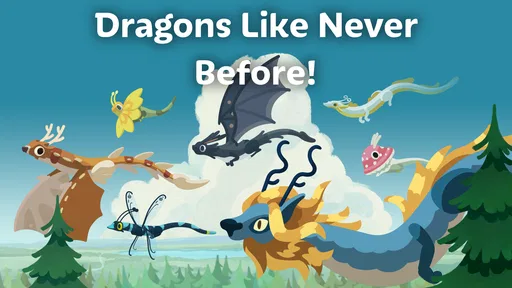
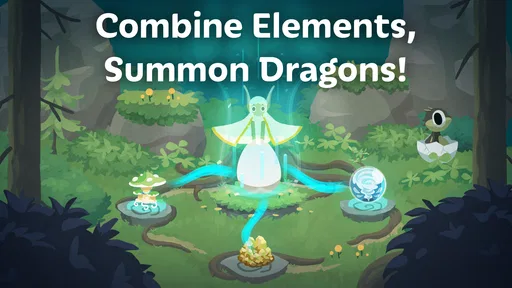

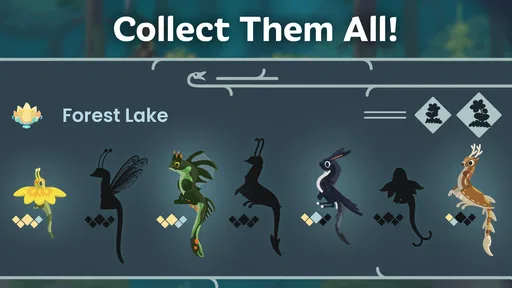
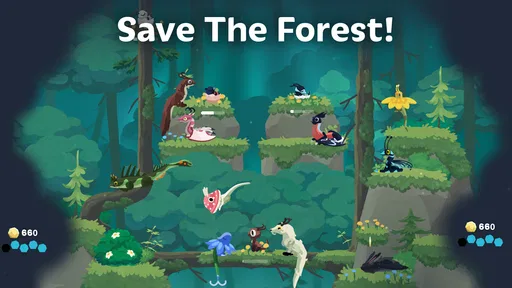
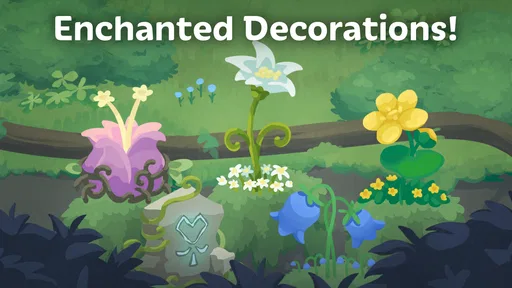
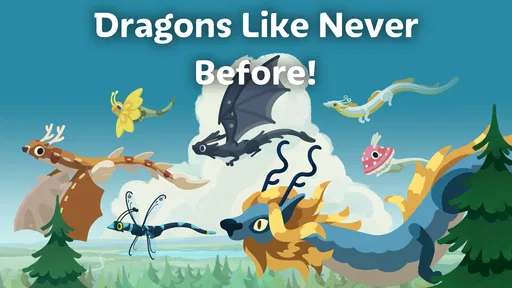
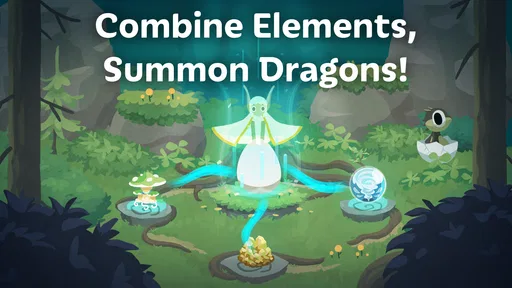
Our Review of Hatch Dragons
 Analysis by Appyee
I went into Hatch Dragons expecting a light dragon-collecting game, but its appeal is more specific than that. This is a simulation game from Runaway Play built around hatching, caring for, and organizing a growing group of dragons. The basic idea is easy to understand, yet the experience depends on how patiently you manage progress rather than how quickly you tap through tasks. I found it most enjoyable when I treated it as a short daily routine instead of a game I had to rush through.
The free entry point makes it easy to try, and the Everyone age rating suits its gentle presentation. It has already reached over one million installs and holds a 4.6 average from around sixty thousand ratings, with roughly four thousand written reviews. Those figures suggest that the central loop connects with a broad audience, although they do not remove the usual concerns around time, repetition, and optional spending in a collection-focused mobile game.
How the current version feels to play
I found that the current version is easiest to enjoy when I decide what I want from each visit instead of trying to tend to the whole collection at once. A quick check can be enough to keep a routine moving, while a longer session is better saved for making deliberate choices about which dragons to focus on. That practical rhythm also makes it worth looking at the settings before settling into regular play.
A calm collection loop with more planning than the store pitch suggests
The first thing I noticed is that the game is not really about owning a single powerful dragon. Its identity comes from building a varied collection and deciding how to look after it. Hatching creates the sense of discovery, while care gives each new arrival a reason to remain part of the routine. That combination makes the game feel closer to maintaining a small, colorful habitat than simply opening a sequence of rewards.
That distinction matters if you are choosing between this and a faster action game. There is no obvious reason to expect constant combat or twitch controls here. The pleasure comes from checking progress, making a choice, and returning later to see what has changed. I liked that rhythm during short breaks because it gave me something meaningful to do without demanding a long uninterrupted session.
The collection itself also changes how I think about progress. A new dragon is not just another item to place in a menu; it becomes a reason to reconsider how I spend attention and resources. When several possibilities are available, I prefer to focus on a small group rather than trying to advance everything equally. That approach keeps the collection from becoming a checklist and makes each hatch feel more personal.
What the developer’s approach gets right
Runaway Play has positioned the game clearly as a creature-care simulation rather than a complicated management title. That clarity helps during the opening hours. I did not need to learn a dense set of systems before understanding what I was supposed to do. The loop communicates itself through the dragons: hatch one, care for it, watch the collection grow, and decide what deserves attention next.
The strongest part is the low-pressure atmosphere. It is a good fit for someone who enjoys decorating a routine around virtual creatures, collecting unusual variants, or checking a game several times during the day. It is less suitable for a player who wants a decisive end point, a deep competitive ladder, or a campaign with a strong story arc. The game’s satisfaction comes from continuation, not from finishing a traditional level sequence.
I also think the simple premise gives it a useful advantage over many broader simulation games. In a general city builder or farming game, the player often has to balance a large number of unrelated resources and buildings. Here, the emotional focus stays on the dragons. That narrower focus makes the experience easier to pick up, though it can also make repetition more noticeable once the novelty of the first hatches fades.
Using it in an ordinary day
A realistic way to use this game is to make it part of a small morning and evening routine. I might open it while waiting for coffee, check which dragons need attention, make one deliberate collection decision, and close it rather than drifting into a long session. Later, I can return when I have more time and see whether the next hatch or care task is ready. That pattern works better for me than opening the game repeatedly without a plan.
For younger players, the straightforward theme and Everyone rating make it approachable, but I would still recommend that an adult explain the difference between available play and optional purchases. The game is free to start, while individual in-app purchases range from $0.99 to $99.99. That is a very wide range, so family use deserves a little supervision even if the presentation itself feels friendly.
Small decisions that improve the experience
My first useful tip is to avoid treating every new dragon as an instruction to expand immediately. A larger collection is attractive, but spreading attention too thin can make the care side feel like administration. I get more enjoyment by keeping a short priority list: one dragon I am actively developing, one I am watching for a future goal, and the rest as background members of the collection.
My second tip is to open the game with a purpose. If I enter only to claim whatever is visible, the session feels disposable. If I decide beforehand that I am checking a particular dragon, preparing for a hatch, or reviewing what to prioritize next, even a brief visit feels more useful. This is a small change, but it reduces the sense of repetitive tapping that can affect collection games.
A third trade-off is worth understanding: collecting broadly and progressing efficiently are not always the same thing. Chasing every possibility can be satisfying for completion-minded players, but it may slow the feeling of meaningful development. Focusing narrowly gives clearer progress, while collecting widely provides more variety. I would choose the first approach early on and become more experimental once the routine feels comfortable.
What version 1.2.1 tells me about the product’s direction
The current release is version 1.2.1, and that is useful context when judging the game. It presents itself as an established, playable collection experience rather than a concept waiting to be filled in, but it is still early enough that the long-term shape of the product matters. I would pay attention to whether future updates deepen the reasons to care for existing dragons instead of concentrating only on adding more creatures.
That distinction affects returning players most. New dragons can renew curiosity, but they do not automatically solve the problem of what an experienced collector does after the initial discovery phase. The strongest evolution would be one that gives older members of the collection continued purpose, encourages thoughtful care choices, and makes revisiting the habitat feel different from simply opening another reward.
I would also separate what is already enjoyable from what I hope to see later. The current loop works because it is clear and gentle. My expectations for future development are therefore about depth, not a sudden shift into a competitive or action-heavy game. More meaningful long-term decisions would strengthen the existing identity; adding unrelated complexity could weaken it.
Who will enjoy it, and who should skip it
I would recommend it to players who like virtual pets, collecting unusual creatures, and simulation games that reward regular attention. It is especially well suited to someone who wants a game that can be checked in short visits and who enjoys watching a collection gradually become more complete. Parents looking for a creature-themed game with an Everyone rating may also find the premise approachable, provided purchases are handled sensibly.
I would be more cautious about recommending it to players who dislike timers, repeated care routines, or progress that depends on returning over time. It is also not my first choice for someone who wants a strongly narrative adventure, a demanding strategy challenge, or a clear final victory. A deeper management simulator may be better if you want complex production chains, while a traditional role-playing game will offer more direct combat and story momentum.
Completionists should think about their preferred kind of completion before starting. If the joy is discovering each dragon and slowly filling a collection, this game has a natural appeal. If completion means mastering a difficult system or earning a final trophy after a fixed campaign, the open-ended structure may feel less rewarding. The game asks you to enjoy the process, not merely reach an endpoint.
Where the friction appears
The main limitation is the possibility of routine fatigue. Hatching and caring for dragons is charming, but the same charm can become predictable if every visit follows the same pattern. I found that alternating between collection goals and simple care tasks helped, yet the game still depends heavily on whether I am in the mood for a quiet maintenance loop.
There is also a psychological cost to a large collection. More dragons create more possibilities, but they can make the game feel less focused. Without a personal priority system, I can end up checking everything superficially instead of enjoying a few creatures properly. That is not a technical flaw so much as a design trade-off: abundance feels generous at first, then asks the player to create their own structure.
The purchase range deserves equal attention. Because the game is free, trying it carries little initial risk, but the presence of optional items from $0.99 up to $99.99 means the most committed collectors should decide in advance how they want to play. I prefer treating purchases as unnecessary conveniences rather than part of the basic plan. That keeps the collection goal enjoyable instead of turning every delay into a reason to spend.
How it compares with familiar alternatives
Compared with a farming simulation, this game is more focused and less concerned with building a large production operation. You are not choosing between crops, buildings, and a broad economy in the same way. That makes it easier to understand, but it also means there is less variety if your favorite part of farming games is optimizing a busy network of activities.
Compared with a virtual-pet app, the collection angle is more prominent. The motivation is not only to keep one companion happy; it is to discover and organize many dragons. That gives collectors more long-term direction, though players who want a deeply personal relationship with one pet may prefer a narrower experience.
Compared with a creature-collecting role-playing game, the emphasis here is calmer. I would choose this when I want care and discovery without making battles the center of progress. I would choose the role-playing alternative when I want tactical decisions, stronger narrative stakes, and a more active sense of challenge. Neither approach is automatically better; they serve different moods.
What existing players should watch as the game evolves
For current players, the important question is whether the game continues to make established dragons matter. I would watch for systems that reward returning to older members of the collection, not only for additions that make the list longer. A healthy evolution would give experienced players reasons to rethink their priorities while preserving the approachable routine that makes the game easy to revisit.
I would also watch how the balance between patience and purchases develops. The free structure is valuable because it lets people learn the loop before deciding whether they want anything extra. If future content keeps the basic care-and-hatching rhythm satisfying without making every interesting goal feel dependent on spending, the game will remain welcoming to casual players as well as dedicated collectors.
Finally, I would look for more ways to turn the collection into a personal project. Players need reasons to remember individual dragons, not just count them. Better long-term goals, more thoughtful care choices, or stronger ways to organize favorites would add depth without changing the game into something it was never meant to be. Those are expectations, not promises, but they are the areas that will determine how durable the experience becomes.
My recommendation after spending time with it
Hatch Dragons is at its best when you want a gentle, repeatable dragon-care routine rather than a demanding game. I enjoy the clear focus, the satisfaction of seeing the collection grow, and the way a short visit can still feel worthwhile. The free price makes experimentation easy, and the current version gives newcomers a coherent starting point.
My recommendation comes with a condition: approach it as a long-running hobby, not a fast campaign. Set a personal limit around optional purchases, choose a few dragons to prioritize, and accept that some progress is meant to unfold gradually. If that sounds relaxing, I think this is a charming simulation to try. If it sounds slow or repetitive, a more active creature game or a deeper management alternative will probably suit you better.
For me, the lasting appeal is not simply the promise of hundreds of dragons. It is the small decision of which one deserves attention when I open the game today. That works because the experience stays focused, friendly, and easy to understand. Whether it remains compelling over the long term will depend on how future development gives existing players fresh reasons to care, but the foundation is strong enough for casual collectors to enjoy right now.
Verdict
Strengths of Hatch Dragons
- Simple controls make the game easy for younger players to enjoy.
- Dragon collection gives players a clear sense of progression.
- Short play sessions work well for quick mobile gaming.
- Colorful visuals make the dragons appealing and easy to recognize.
- Casual gameplay is suitable for players who prefer low-pressure experiences.
Limitations of Hatch Dragons
- Progress may feel repetitive once the main dragon types are collected.
- Some features can take time to unlock without regular play.
- The game may offer limited depth for experienced strategy players.
- Frequent rewards can make progression feel less meaningful over time.
- Performance may vary on older devices or with limited storage space.
Other Releases by Runaway Play
View All
Flutter Starlight — Cozy Game
Casual4.7

Pondlife — Fish, Frogs & More!
Simulation4.6
Similar Picks in This Category
View All
Truckers of Europe 3
Wanda Software4.3

Town Building Life Simulator
XGame Global4.2

Fidget Toys Trading・Pop It 3D
Freeplay Inc4.7

Sculpt People
CrazyLabs LTD4.4

Scary Teacher 3D
Z & K Games4.2

Hair Tattoo: Barber Shop Game
CASUAL AZUR GAMES4.3
Frequently Asked Questions
What is Hatch Dragons and how does the game work?
Hatch Dragons is a casual collection game focused on discovering, hatching, and caring for different dragon characters. You typically collect eggs, wait for them to hatch, and then interact with the dragons as they grow. Depending on the available features, progression may also include completing tasks, unlocking new habitats, improving dragons, and exploring additional content through regular play.
Is Hatch Dragons free to download and play?
Hatch Dragons can generally be downloaded and played without an upfront purchase, making it accessible to most users. However, free games may include optional in-app purchases for items such as currency, boosts, decorations, or faster progress. Before downloading, parents and players should review the store listing and device payment settings, especially if children will be using the app.
Does Hatch Dragons require an internet connection?
An internet connection may be needed for certain Hatch Dragons features, including downloading game data, synchronizing progress, displaying advertisements, receiving updates, or accessing online events and purchases. Some basic activities may work offline, but this can vary according to the version and device. For the most reliable experience, launch the game online and check its behavior before relying on offline play.
Is Hatch Dragons suitable for children?
Hatch Dragons is designed around colorful creatures, collecting, and simple interactive gameplay, which may appeal to younger players. Nevertheless, suitability depends on the child’s age, the game’s current content rating, advertising, and available purchase options. Adults should check the official store rating, review privacy permissions, and enable parental controls if children can access the device or make purchases.
What should I check before downloading Hatch Dragons?
Before installing Hatch Dragons, check that your Android or iOS device meets the required operating-system version and has enough free storage for the app and future updates. It is also worth reviewing recent user feedback, the privacy policy, account or cloud-save requirements, advertising details, and in-app purchase information. Downloading from the official Google Play Store or Apple App Store is the safest option.
Play our best games!


